Reducing body fat is a common goal for many people looking to improve their health and enhance their physical appearance. Achieving this goal requires a thoughtful and strategic approach that promotes sustainable changes rather than quick fixes. Here are some of the best strategies for a gradual reduction of body fat:
Visit the website https://somatotropincycle.com/ to access the best steroids on the market in England.
1. Establish a Caloric Deficit
The first step in reducing body fat is to consume fewer calories than your body uses. This caloric deficit can be achieved by controlling portion sizes and choosing lower-calorie foods. Use apps or food diaries to track your caloric intake and make adjustments as necessary.
2. Incorporate Regular Exercise
Engaging in regular physical activity is essential for burning calories and building muscle. Aim for a combination of aerobic (cardio) exercises and strength training to maximize fat loss:
- Aerobic Exercises: Activities such as running, cycling, and swimming increase your heart rate and burn calories.
- Strength Training: Lifting weights helps build muscle mass, which in turn increases your resting metabolic rate.
3. Prioritize Protein Intake
Including adequate protein in your diet can help you feel fuller for longer and can prevent muscle loss during weight reduction. Aim for a source of protein with every meal, such as chicken, fish, beans, or legumes.
4. Stay Hydrated
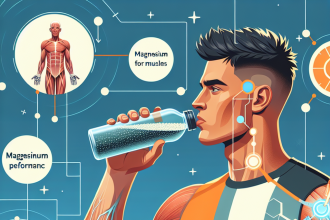
Drinking plenty of water is crucial for overall health and can aid in fat loss. Often, thirst is mistaken for hunger, leading to unnecessary calorie consumption. Aim for at least 8 glasses of water a day, and consider drinking a glass before meals to help control appetite.
5. Get Sufficient Sleep
Quality sleep is often overlooked, yet it plays a significant role in weight management. Lack of sleep can disrupt hormones that regulate hunger, leading to increased cravings and potential weight gain. Strive for 7-9 hours of uninterrupted sleep each night.
6. Monitor Progress and Adjust Accordingly
Tracking your progress can help identify what’s working and what might need adjustment. Use measurements, photos, or weekly weigh-ins to monitor changes in body composition and adjust your diet and exercise regimen accordingly.
Implementing these strategies gradually can lead to a sustainable reduction in body fat, enhancing both physical health and overall well-being. Remember, consistency is key, and fostering a healthy relationship with food and exercise will benefit you in the long run.